The fascinating journey of gambling through history
Ancient Beginnings of Gambling
The origins of gambling can be traced back to ancient civilizations, where games of chance were often intertwined with spiritual practices. Archaeological findings indicate that gambling activities date as far back as 3000 BC in China, where rudimentary dice made from animal bones were utilized. Similarly, ancient Egyptians engaged in betting on various games, suggesting that the allure of chance was a universal aspect of early human culture. Many enthusiasts today continue to explore this rich history and can check site for more insights.
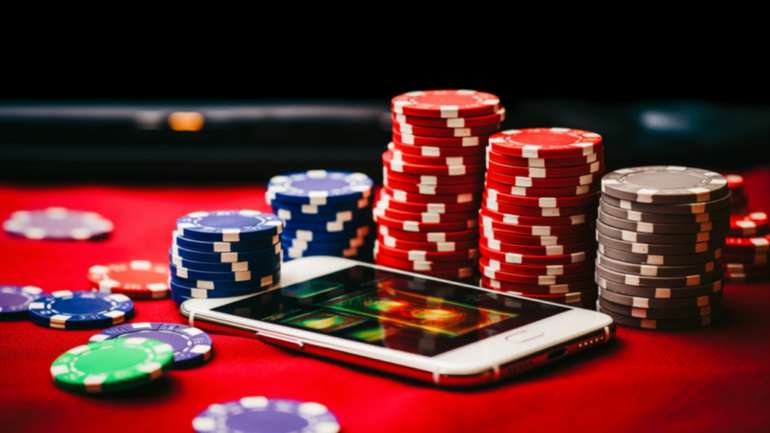
The use of dice and betting in these ancient societies laid the groundwork for more structured forms of gambling. These early games often served as both entertainment and a means to connect with the divine, reflecting the cultural values of the time. With the evolution of societies, gambling began to take on new forms, including betting on chariot races and gladiatorial contests in ancient Rome.
The Rise of Gambling in Medieval Europe
The medieval period witnessed a significant transformation in gambling practices across Europe. With the introduction of playing cards in the 14th century, new games emerged, captivating the aristocracy and common folk alike. These games were often played in social settings, creating a communal atmosphere where chance and skill intertwined.
As gambling gained popularity, various governments attempted to regulate the activity. Some jurisdictions sought to curb its spread due to moral concerns, while others recognized its potential for tax revenue. This duality reflected a growing recognition of gambling as both a vice and a viable source of income for states, leading to the establishment of the first official lotteries in the 16th century.
Gambling in the Age of Enlightenment
The Enlightenment era marked a significant cultural shift, influencing gambling’s evolution. This period saw the emergence of sophisticated gaming houses, particularly in France, where the game of roulette was formalized. As the middle class began to flourish, these establishments became hubs of social interaction and entertainment.
Moreover, the scientific approach to understanding chance and probability began to take root during this period. Pioneering mathematicians like Blaise Pascal and Pierre de Fermat contributed to the foundations of probability theory, further informing gambling strategies and games. This intellectual exploration laid the groundwork for the modern gambling landscape, where statistical analysis plays a crucial role in game design and play.
The Modern Era of Gambling
The 19th and 20th centuries marked the globalization of gambling, with the establishment of iconic venues such as Las Vegas and Monte Carlo. These cities became synonymous with glamour and high-stakes betting, attracting tourists from around the world. The introduction of slot machines and electronic games revolutionized the gambling industry, making it more accessible to a broader audience.
In recent years, the rise of online gambling has transformed the landscape once again. With the advent of the internet, players can now engage in gambling activities from the comfort of their homes, leading to a surge in participation. This digital revolution has also raised questions about regulation, addiction, and the ethical implications of online betting platforms.

Exploring the World of Gambling Today
The journey of gambling through history reflects humanity’s complex relationship with chance and risk. Today, gambling exists in various forms, from traditional casinos to online platforms that offer a plethora of options for enthusiasts. This evolution showcases not only changes in technology but also shifts in societal attitudes towards gambling.
As we navigate this dynamic landscape, understanding the historical context can provide valuable insights into contemporary practices and challenges. Whether one views gambling as a form of entertainment or a serious vice, its rich history continues to shape how we engage with games of chance today.
0 commenti